
Packing for a family trip to Montana means planning for weather and terrain that can change within the same afternoon. A cold, foggy morning can turn into a warm, dusty trail by noon, and the small town you wander through for dinner has nothing to do with the trailhead you hiked that same day. Footwear is where most families overpack or underprepare, and it is worth thinking through before the suitcase gets zipped shut.
Montana's Changing Terrain and Weather
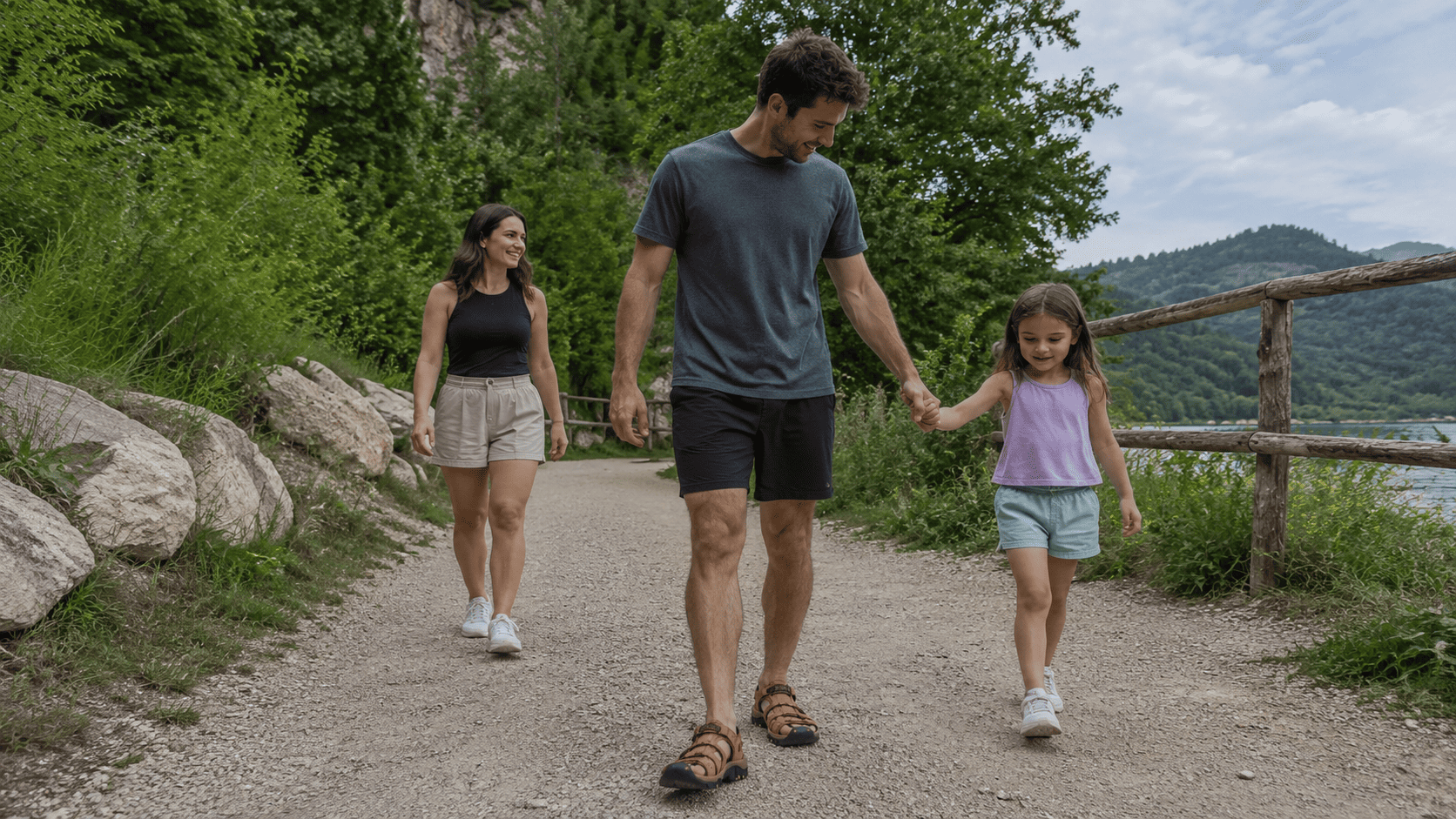
A family trip to Montana rarely stays on one type of surface for long. There are dusty gravel trails, uneven riverbanks, paved main streets in small mountain towns, and cool mornings that give way to warm afternoons. Packing separate shoes for every one of those situations is not realistic, especially with kids and luggage limits already in the mix. The smarter approach is choosing footwear built to move between those environments without you having to think about it, which usually means prioritizing grip, support, and comfort over anything highly specialized.
One Pair That Does It All
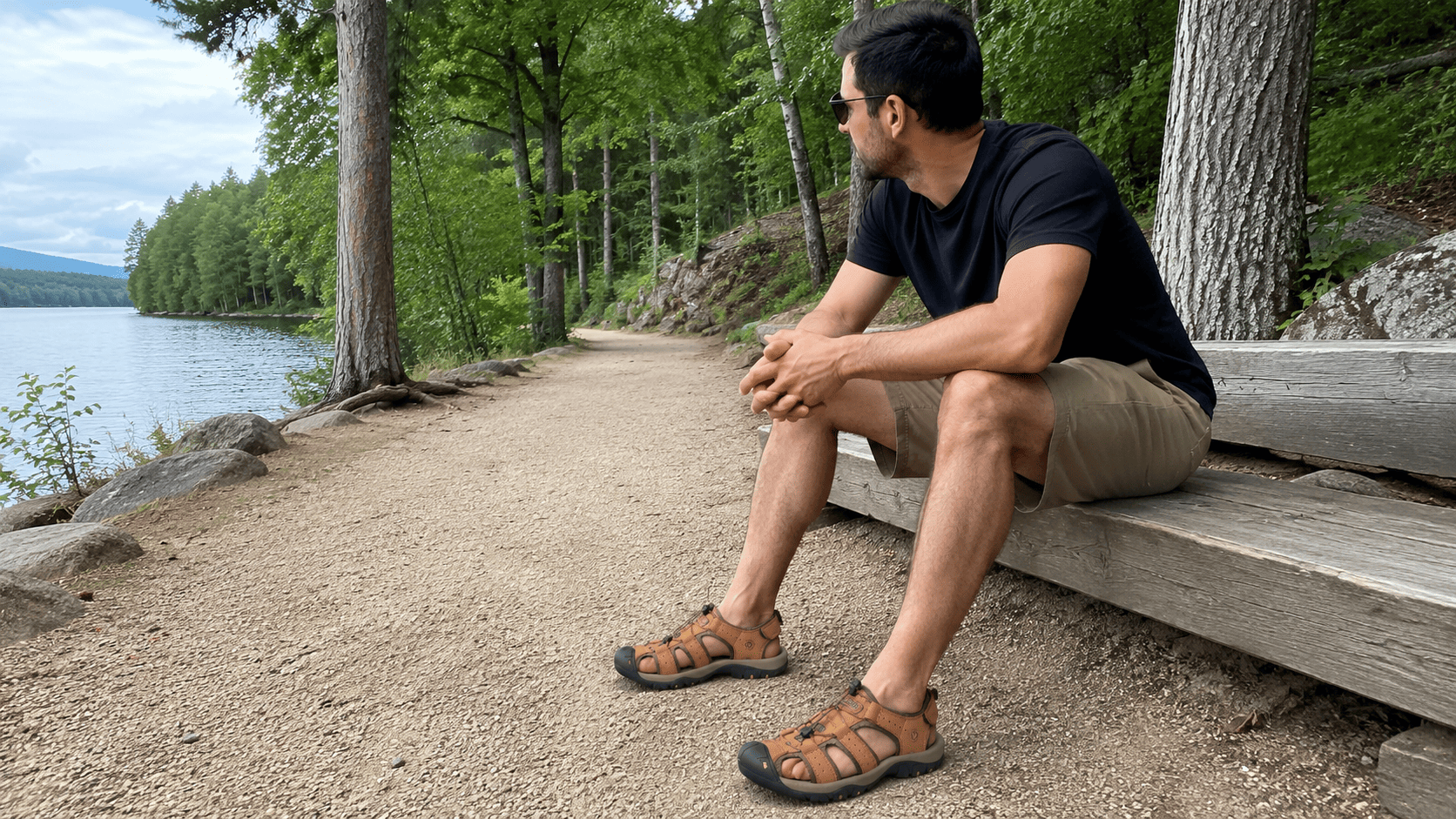
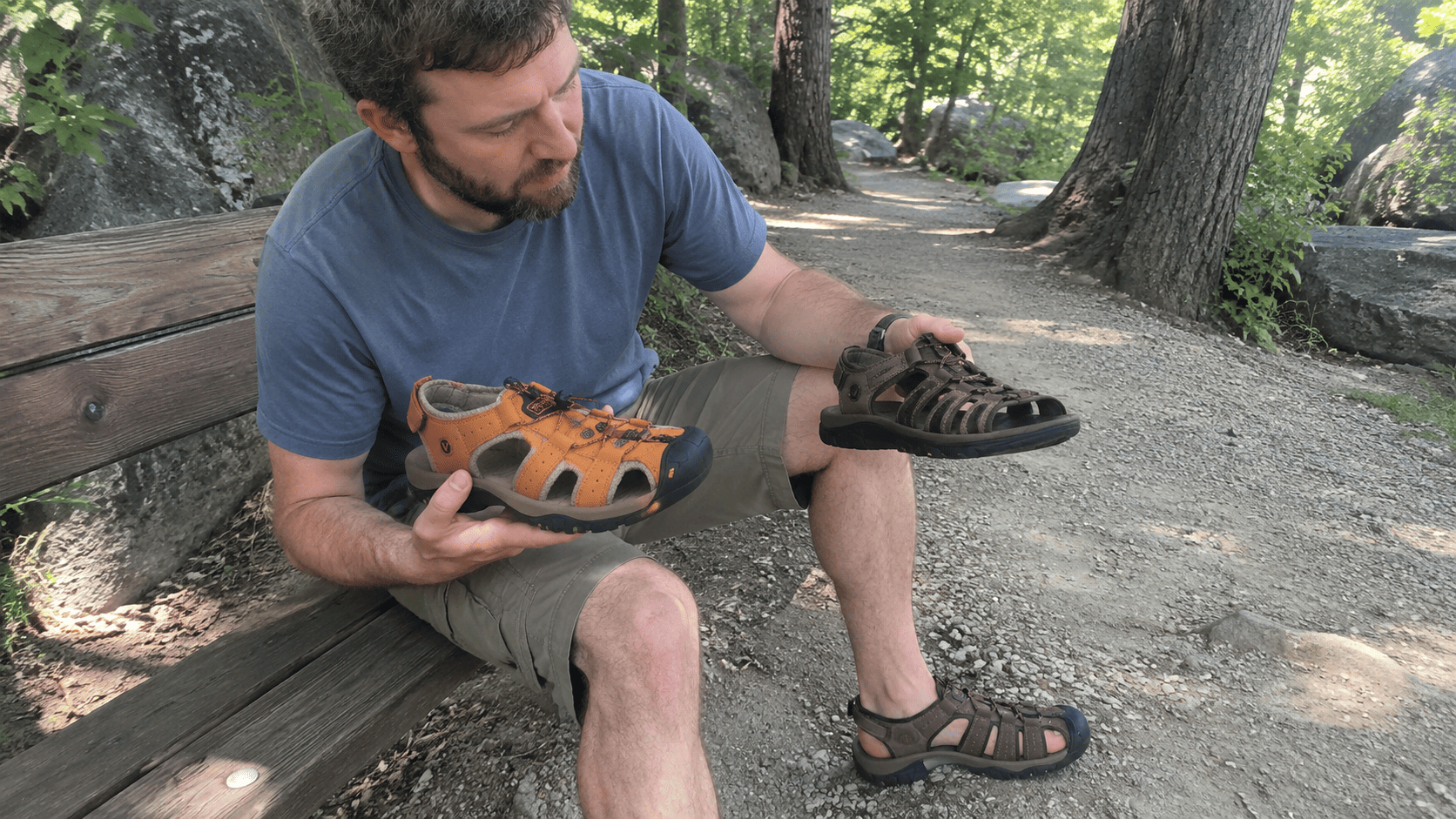
This is where most footwear falls short. Hiking boots are too heavy and hot for a walk through town, and thin, flat sandals cannot handle a rocky trail or a full day of walking. The goal for a Montana family trip is one pair of shoes that handles the trail, the drive, and dinner in town without a wardrobe change. Stride sandals fit that role well, built with an orthopedic footbed for all-day support and an outsole capable of handling uneven, changing terrain. That versatility means fewer shoes taking up space in the suitcase and fewer decisions to make each morning of the trip.

Support for Long Days of Walking
Family travel days are almost always longer than they look on paper. Between a morning trail, an afternoon in town, and an evening walk to dinner, that adds up to hours of standing and walking on hard, uneven surfaces. Without proper arch support, that kind of day leads to foot pain by evening, which has a way of souring an otherwise great trip. Sandals with a real orthopedic footbed help prevent that kind of pain from building up, so by day three of nonstop walking, your feet are not the reason everyone wants to head back to the hotel early.
Packing Mistakes to Avoid
The most common footwear mistake families make when packing for Montana is bringing too many single-purpose shoes: heavy boots for hiking, sneakers for walking around, and sandals for downtime. Not only does this eat up suitcase space, it also means switching shoes throughout the day, which adds friction to an already busy trip. Another common mistake is packing brand-new shoes that have never been worn, only to discover blisters or discomfort on day one of the trip. The safest approach is packing footwear that is already broken in, supportive from the first step, and versatile enough to handle whatever the day throws at it.
A Simple Footwear Packing List
For most family trips to Montana, footwear needs can be covered with just two pairs: one supportive, all terrain sandal for the majority of the trip, covering trails, towns, and travel days, and one closed-toe shoe for colder mornings or more technical terrain if the itinerary calls for it. That is usually enough to handle everything from a relaxed walk through a small mountain town to an unplanned afternoon hike, without packing a suitcase full of shoes nobody ends up wearing. Layering the rest of your footwear plan around temperature is worth a mention too. Montana mornings can start close to freezing even in summer, then climb thirty degrees by afternoon, so a sandal with enough coverage and support to handle a cool start is more useful than one built purely for hot weather.
Final Thoughts
The goal of packing for a family trip to Montana is fewer decisions and more time actually enjoying the trip, not managing a rotation of shoes. Footwear that offers real orthopedic support, solid grip, and enough versatility to move between trail and town does most of that work for you. Choose footwear built for support before the trip starts, not after your feet are already sore by day two, and the rest of the packing list gets a lot simpler. A family trip to Montana already involves enough planning. Your feet should not be one more thing to worry about once you get there.

It is also worth packing with the whole family's pace in mind, not just your own. Kids stop, wander, and backtrack constantly, which means adults often end up walking farther than the day's itinerary suggests. That is exactly the kind of unplanned mileage where arch support quietly earns its keep, preventing the foot pain that shows up hours after you stopped noticing how far you had actually walked. A little planning around footwear before the trip means one less variable to manage once you are three states from home and focused on everyone else.